指導教師:韓相宜助理教授
221 先進推力實驗室(Advanced Propulsion Laboratory)成立於 2026 年春季,致力於發展次世代太空推進技術與系統工程方法,結合先進混合火箭、最佳化設計、超導離子推進及航太系統整合等研究,打造兼具理論創新與工程實作能力的研究平台。
實驗室以 SysML v2 為核心建立模型化系統工程(Model-Based Systems Engineering, MBSE)流程,將需求分析、系統架構、設計、整合、測試與驗證貫穿整個火箭開發生命週期。學生將參與推進、結構、航電、控制與導航等各次系統的設計與整合,透過小型火箭的實際開發,學習跨領域協作、系統整合及專案管理,培養具備國際競爭力的航太系統工程人才。
實驗室同時積極推動最佳化方法、人工智慧與模型化系統工程在航太推進領域的應用,期望建立具國際影響力的先進推進研究中心,為未來深空探測與太空科技發展奠定關鍵技術基礎。
The 221 Advanced Propulsion Laboratory was established in the spring of 2026 with the mission of advancing next-generation propulsion technologies and cultivating future aerospace engineers. Its research focuses on the optimization-based design of advanced hybrid rocket systems and the innovative application of superconducting technologies to ion propulsion.
During its initial development stage, the laboratory will adopt SysML v2 and model-based systems engineering methodologies to establish a structured and integrated rocket development process. The laboratory’s activities cover key subsystems, including propulsion, structures, avionics, guidance, navigation, and control.
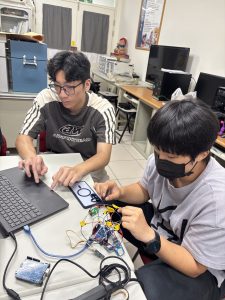
Through the design, fabrication, integration, and testing of small-scale rockets, aerospace engineering students will gain a comprehensive understanding of individual subsystems and the interactions among them. Students will also participate in requirements analysis, system architecture development, integration testing, verification and validation, and project schedule planning.
By combining theoretical knowledge with hands-on engineering practice, the laboratory aims to strengthen students’ capabilities in systems thinking, multidisciplinary collaboration, and aerospace system integration, while preparing them to become highly skilled aerospace engineers with strong international competitiveness.